Germans could face wage cuts for taking sick days under new proposals « Euro Weekly News
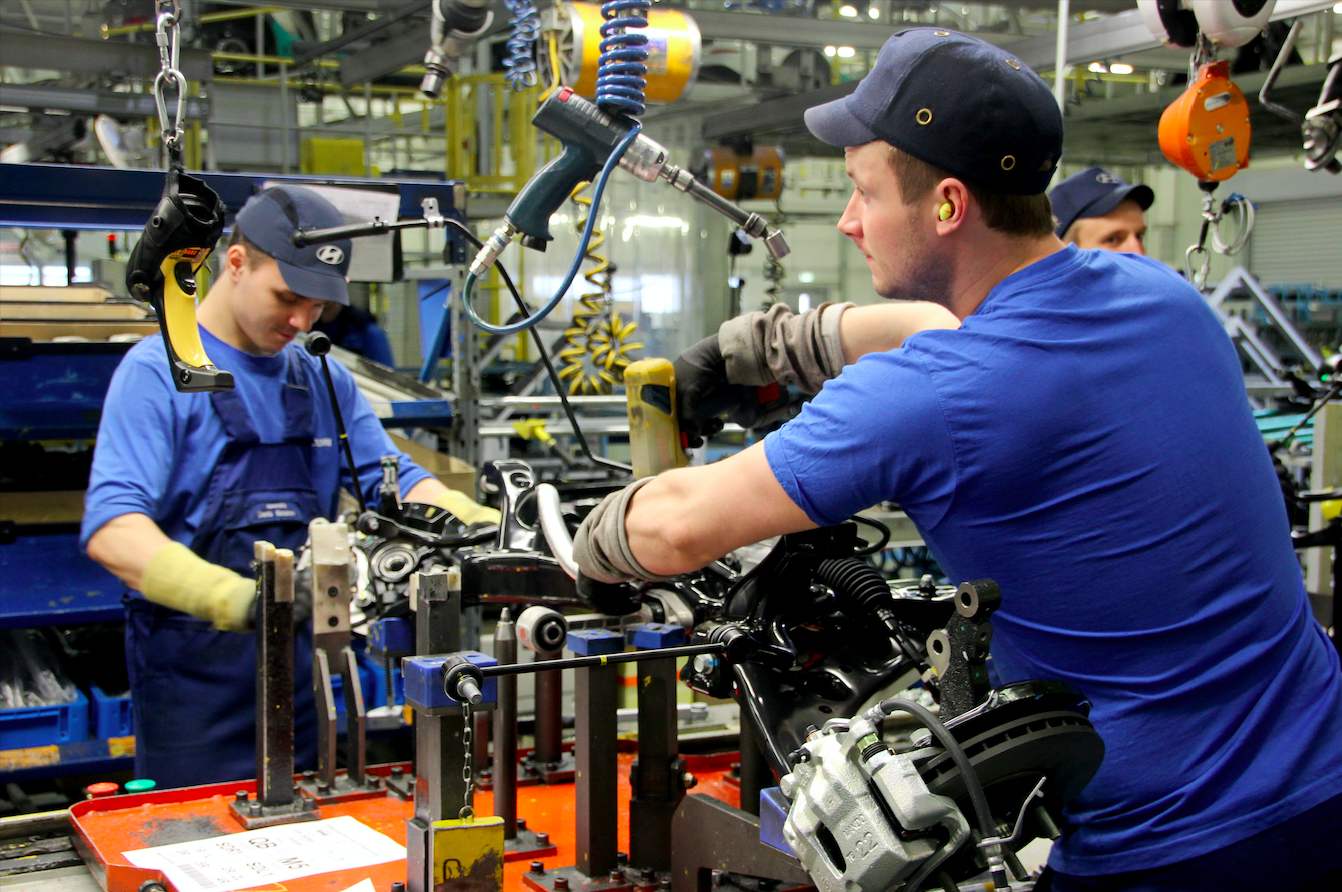
Germany has lengthy provided stronger revenue safety throughout sickness than many different nations. Photo credit: Alexander Gafarro/Shutterstock
German employees could face having wages lowered for taking sick days under proposals being mentioned by political leaders and enterprise teams, in keeping with reviews within the German and worldwide press. No nationwide regulation has been handed, and no formal laws has but been launched, however the debate has centered on whether or not present guidelines are too expensive for employers and the broader financial system.
The dialogue follows renewed consideration on illness absence in Germany, the place workers took a mean of 14.8 sick days per yr, one of many highest recorded charges in Europe in keeping with figures cited in current reviews. Supporters of reform argue that lengthy absences and short-term illness depart create strain for companies already coping with weak financial development and labor shortages. Germany has lengthy provided stronger revenue safety throughout sickness than many different nations. In most instances, workers who’re unable to work attributable to illness proceed to obtain their full wage from their employer for as much as six weeks. If sickness continues past that interval, statutory well being insurers can then present illness profit under separate guidelines.
First-Day Pay Changes Reportedly Under Consideration
One proposal reported in the media would allow employers to cut or remove pay from the first day of sickness absence in some instances. Another reported concept would reward employees with low absence information by way of an extra day of annual depart. Neither measure has been accepted, and ministers haven’t introduced a last coverage.
The proposals have been linked to Chancellor Friedrich Merz and members of the governing coalition, though particulars stay unclear. Reports recommend the purpose can be to discourage employees from taking day without work for minor diseases whereas sustaining assist for extra critical medical circumstances. No draft laws has been printed at federal degree. Any authorized change would require formal authorities backing and would doubtless face scrutiny from parliament, employers’ organizations, unions and authorized consultants. Germany’s labor protections are effectively established, which means adjustments to illness pay would virtually definitely immediate vital public and political debate earlier than changing into regulation.
Existing Rules Already Allow Some Employer Controls
Current German guidelines already require workers to inform employers when they’re unable to work by way of sickness. Employers might also request medical proof of incapacity from the primary day of absence, though many workplaces ask for it later. In observe, necessities can differ relying on contracts, firm coverage and collective agreements. That means companies have already got some instruments to observe absence with out altering the broader pay system. Critics of the new proposals argue that enforcement of current guidelines ought to be thought-about earlier than decreasing wages for real illness. They additionally warn that many diseases can’t be judged by look alone and that workers could really feel pressured to work when they need to be recovering.
Health specialists have lengthy warned that presentism, the place folks attend work whereas unwell, can cut back productiveness and unfold an infection in places of work, factories and public-facing workplaces. Opponents of wage cuts say monetary penalties could enhance that danger, significantly throughout winter intervals when respiratory diseases are extra frequent. Wider Economic Pressures Behind the Debate The dialogue comes at a time when Germany is under strain to enhance financial efficiency after a interval of weak development. Employers in several sectors have complained about costs, staffing shortages and declining competitiveness. Some enterprise figures say decrease absence charges would assist output and ease strain on remaining employees.
Trade unions and worker teams are anticipated to withstand any try to scale back earnings throughout sickness. They are prone to argue that workers should not bear the cost of economic problems by way of decrease pay when they’re unwell. Labor representatives have additionally beforehand stated belief between employers and employees could be broken by insurance policies constructed round suspicion of abuse. For now, the difficulty stays a political dialogue somewhat than a confirmed authorized reform. German employees haven’t misplaced current sick pay rights, and no nationwide wage deduction for taking a sick day has been enacted. The proposals developed into laws will rely upon choices nonetheless to be taken in Berlin.