2 hikers injured in bear attack at Yellowstone National Park
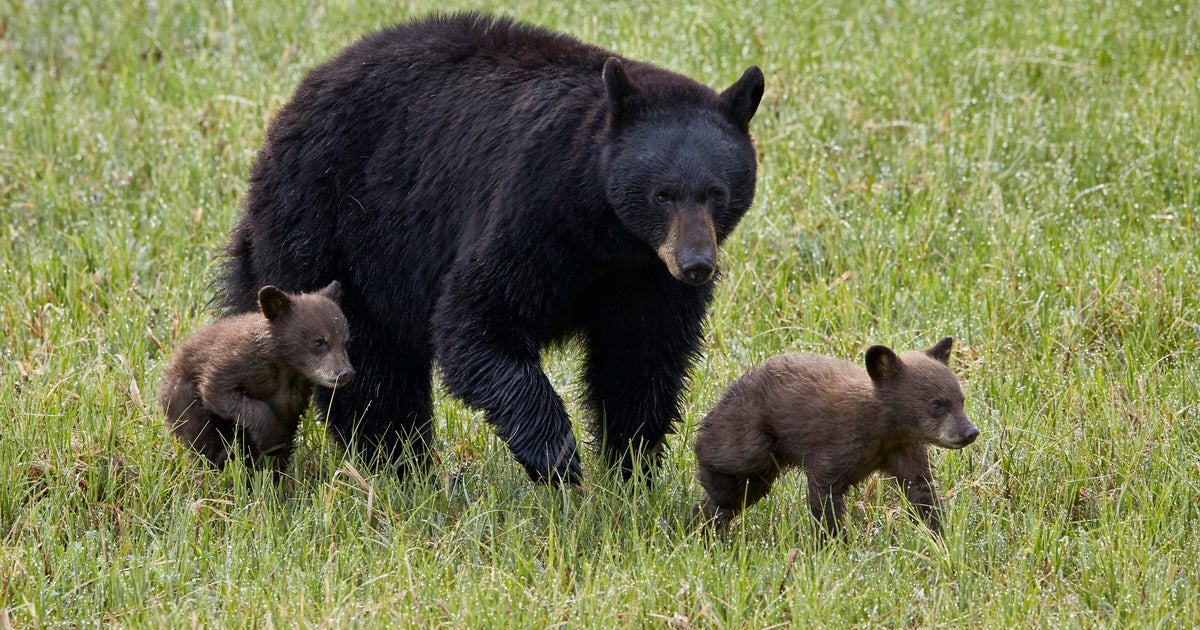
Two hikers have been attacked by a number of bears at Yellowstone National Park, officers mentioned on Tuesday, marking the primary time this 12 months {that a} bear has injured folks at the favored vacationer attraction.
The National Park Service said Emergency personnel responded to the attack, which occurred on Monday afternoon on the Mystic Falls Trail close to the long-lasting Old Faithful geyser. Park officers mentioned the incident is underneath investigation and didn’t reveal the extent of the hikers’ accidents.
The most up-to-date bear attack in the park was in September when officers advised a 29-year-old hiker was seriously injured in a “surprise encounter” on the Turbid Lake Trail.
The final human fatality brought on by a bear inside Yellowstone National Park occurred in 2015, however a (*2*) simply west of the park in 2023.
After Monday’s attack, at least 5 trails and a number of campsites at the park have been closed. The park reminded guests to remain at least 100 yards away from bears, carry bear spray and search for attainable indicators of the animals.
“See the bear before you surprise it,” the park mentioned. “Watch for fresh tracks, scat, and feeding sites.”
In March, scientists noticed the first grizzly bear of 2026 at Yellowstone, marking the start of the tip of hibernation season for the animals.
There are greater than 1,000 grizzlies residing throughout what’s referred to as the “greater Yellowstone ecosystem,” an space overlaying parts of Montana, Idaho and Wyoming outdoors the speedy park boundaries.
Grizzly bears are at the moment listed as threatened underneath the Endangered Species Act, after they have been brought back from the brink of extinction in the contiguous United States during the last 5 many years. Yellowstone officers have estimated that the grizzly bear inhabitants in the area had dropped to only 136 in 1975. But, due to conservation efforts, scientists now take into account the inhabitants to be doing nicely, occupying greater than 27,000 sq. miles and increasing their habitats.