



What to know about luge before the 2026 Winter Olympics
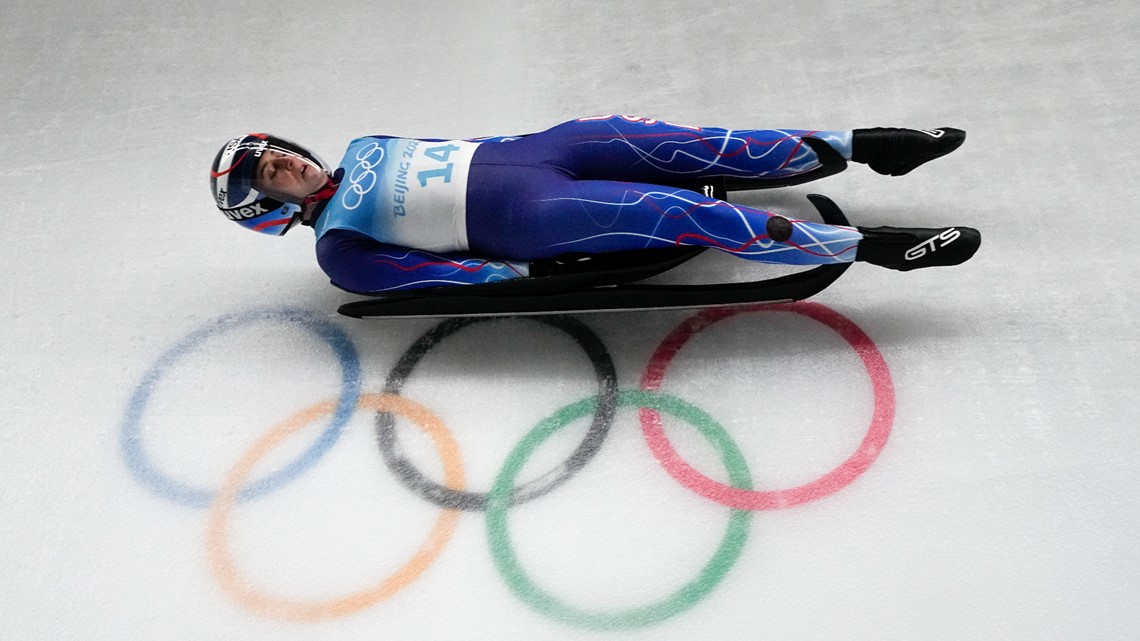
The supine, brake-less sport remains one of the fastest and most thrilling competitions on ice.
WASHINGTON — The 2026 Winter Olympics is putting the spotlight back on some of the most thrilling events on ice and snow.
One of those sports is luge, which is one of the fastest and most popular competitions at the Olympic games, where athletes race down icy tracks feet-first at high speeds.
What is luge?
Luge has been part of the Winter Olympics since 1964 and is often considered the fastest sport on ice, with athletes reaching speeds of more than 80 mph, according to the Olympics. The sport features several events including men’s singles, women’s singles, doubles and team relay.
In singles, athletes make four runs over two days, with the fastest combined time winning. In doubles, teams complete two runs in one day. The team relay, introduced in 2014, combines three sleds. A woman, a man and a double pair tag each other in to start by touching a pad at the finish line.
The sled itself is small and lightweight, sliding on steel blades called “steels.” Lugers are in a “supine” position, lying on their backs, feet first, wearing helmets, tight suits and spiked gloves to push off at the start. Races are timed to the thousandth of a second.
Historically, Germany has dominated in luge at the Olympics, collecting dozens of gold medals across all events since the sport was first introduced.
How do you steer in luge?
Unlike most vehicles, luge sleds have no brakes. Steering relies on subtle body movements, according to NBC Olympics. Lugers shift their weight, press with their calves and shoulders or pull on the handles attached to the sled. Even the slightest adjustment can change direction as the runners respond to leg pressure.